

How it all started
A few weeks ago, Dimitris wrote a post about tango teachers complaining that “the level of Tango is declining.”
His point was simple: maybe teachers judge the level based on the events they attend. Events that are often poorly curated and therefore not representative of the wider tango community.
I read it… and of course I jumped into the comments because when it comes to roasting tango teachers, who am I to miss the fun?
But before we get to the fun, let’s talk about the elephant in the room.
Or rather, the teacher in the room.
Before you go any further… just a quick note.
If you follow the blog on social media, you might be missing some posts.
Subscribing by email is the best way to stay in touch and never miss a story.
The teacher in the room
The moment someone becomes a teacher, something shifts.
They’re no longer “just another dancer.”
They carry a title, a perceived authority.
Status. Influence.
People look at them differently… especially if those people are their students.
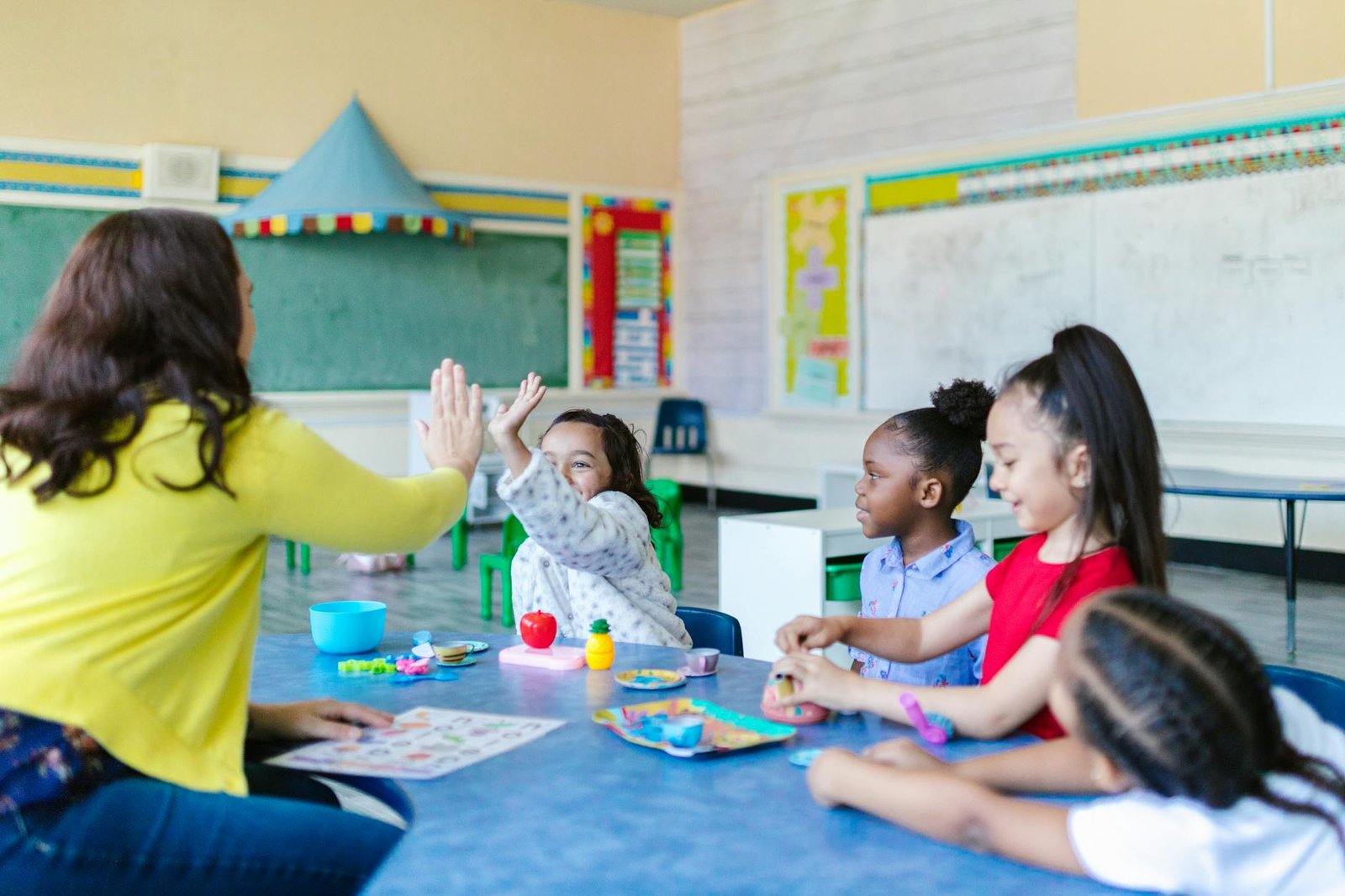
It’s a bit like school.
Think back.
Did your school teachers ever hang out with you during the breaks?
Did they play football with you?
Laugh with you?
Join your games?
Probably not.
Not because they were evil… but because adults can’t fully relate to children. The interests, the energy, the mindset… different worlds.
But tango isn’t school.
We’re all adults here. (Or so we like to believe.)
In tango, teachers could relate. They could hang out. They could be approachable.
But often… they don’t.
💥In case you missed it💥
The Rejections in Tango survey results are out.
Watch them here before the next topic takes over.
The breaks
In school, the clearest sign of segregation is the break.
Students in the yard, playing.
Teachers in the teachers’ room, drinking coffee, correcting papers, talking about adult things.
Even when teachers come outside, they’re not there to play. They’re supervising.
Now look at a typical milonga or marathon.
Teachers might be in the same room physically, but socially, they’re still in their teachers’ room.
They dance mostly with each other.
They chat with each other.
They stand apart, even without trying.
It’s understandable.
If beginner dancers are like children in their first steps… then for an experienced teacher, spending the whole evening in “kid mode” might feel boring, tiring, or simply unfamiliar.
But here’s the real question:
Who is more likely to cross that gap?
An adult who temporarily becomes a kid to play?
Or a kid who suddenly becomes an adult to join the conversation with maturity and nuance?
Exactly!
If teachers don’t step out of their room, relatability dies.
And when relatability dies, the ability to connect with the community dies with it.
My answer
In my comment to Dimitris, I wrote that one of the most important qualities of a great tango teacher is exactly this: relatability.
A great teacher can signal, in a social setting like a milonga, that they’re just another dancer tonight.
Not “The Teacher.”
Not the Star.
Not the Untouchable.
Just a person on the same floor, in the same room, sharing the same night.
Of course, students also need to see them that way… but the first step must come from the teacher. They must understand the status others project onto them and take an intentional step to break it.
Otherwise, they end up isolated on a pedestal, wondering why the dancers “out there” feel distant… without realising that they are the ones who stayed in the teachers’ room.
In the end
Students learn your technique in class.
But they learn your values by watching how you behave in the room.
And that’s why, at the end of the day…
It’s not the steps you teach.
It’s the steps you don’t teach… (but walk)
And that’s how I ended up suggesting a title for his next book:
“How to Dance More in Milongas… for Teachers.”
Before tonight’s Goodnight Tango… just a small thank-you.
The project is growing beyond the blog, with new videos, surveys, and a lively community.
Visiting the shop helps it stay ad-free and reader-supported
Tonight’s Goonight Tango
Tonight’s Goodnight Tango is about Margot, who was once Margaret. A poor girl who found wealth and now has nothing to do with Margaret from her past. Not even with he poor mother who cleans houses all day to get something to eat.
How about you? How relatable are your teachers? How relatable are you as a teacher? And finally… how can teachers dance more in milongas?
Comment below or join the discussion in the community
Need to talk privately? Contact me personally.
Or… just spread the word!
Leave a Reply